Will our homes generate and store their own energy?
Will artificial intelligence manage everything from climate control to preventative maintenance?
Will rooms change function as easily as we change the furniture?
A truly future-proof home doesn't need to anticipate every new technology. It needs to accommodate change, adapt to its occupants, and perform exceptionally well for decades.
Some of the most valuable features are surprisingly low-tech. Others involve sophisticated engineering and automation. The smartest homes bring both together, starting with decisions made long before construction begins. And as the technologies within our homes advance, the methods used to build them must advance, too.
Here are 20 features worth considering when designing a luxury home for the future, and why the way it's built matters just as much.
The most consequential features of a future-ready home may be the ones you never see.
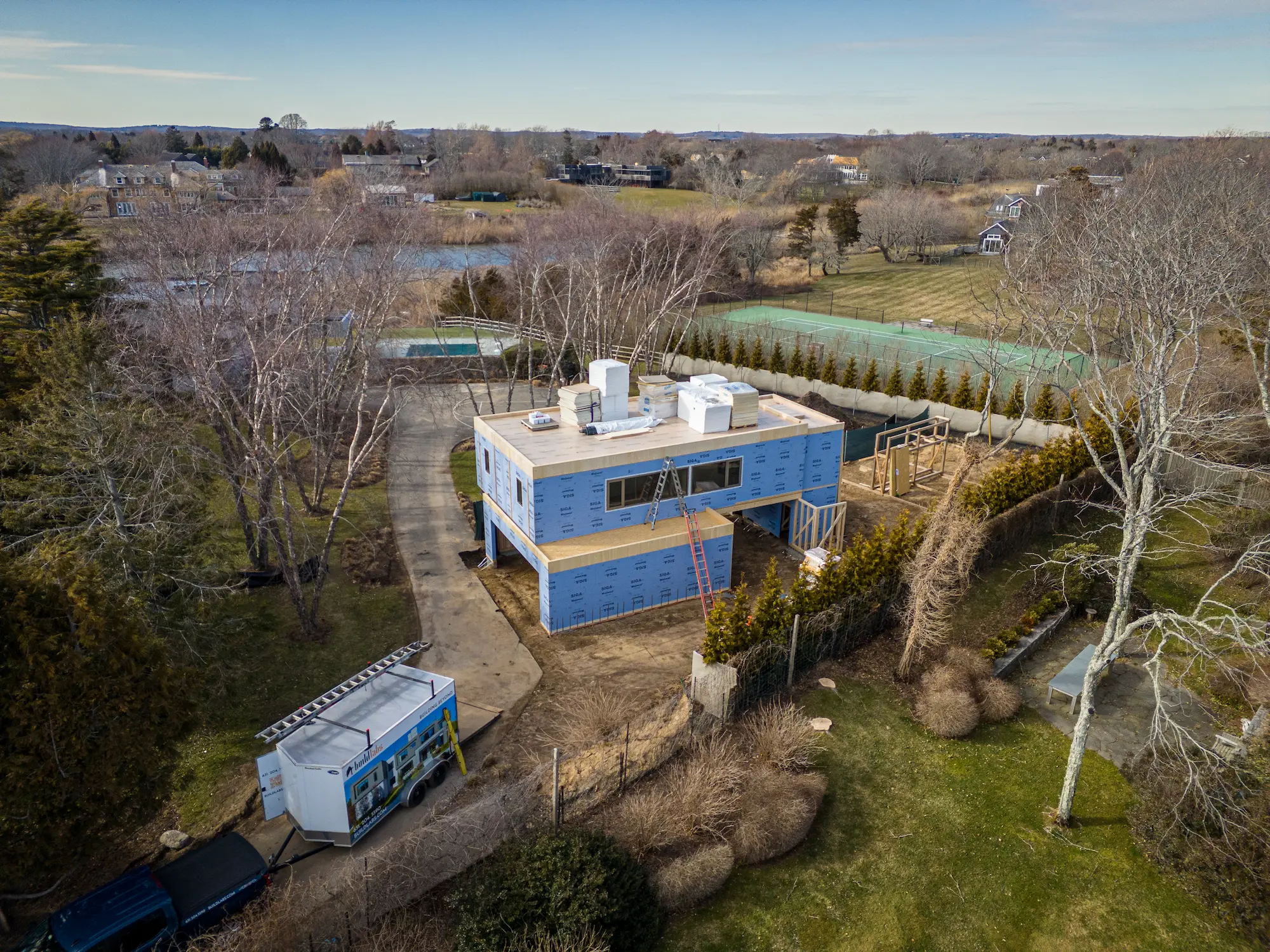
1. A high-performance building envelope. Advanced insulation, airtight construction, and carefully engineered moisture barriers create a more stable indoor environment. They also reduce the energy required to maintain comfortable temperatures. Think of the envelope as the foundation upon which every other performance feature depends.
2. Climate-responsive glazing. Expansive windows shouldn't come at the expense of comfort. Double- or triple-pane glazing, thermally efficient frames, and low-emissivity coatings help manage heat transfer. The U.S. Department of Energy (DOE) recommends evaluating window performance according to climate, orientation, and solar heat gain. The right glazing allows homeowners to enjoy generous natural light and expansive views without sacrificing year-round comfort.
3. Zoned heating and cooling. Why condition an entire house identically when its rooms have different needs? Zoned HVAC systems allow more precise temperature control, particularly useful in large homes with varied occupancy and sun exposure.
4. High-efficiency heat pumps. Modern heat pumps can provide both heating and cooling. According to the DOE, today's heat pumps can reduce electricity use for heating by up to 75% compared with electric-resistance heating systems. Actual savings depend on climate, equipment, and the home's design.
5. Intelligent water heating. Heat pump water heaters use electricity to transfer heat rather than generate it directly. The DOE reports they can be two to three times more efficient than conventional electric-resistance water heaters. Proper sizing and installation are particularly important in larger homes with multiple bathrooms and substantial hot-water demands.
Technology evolves quickly. The infrastructure supporting it should be designed to evolve, too.
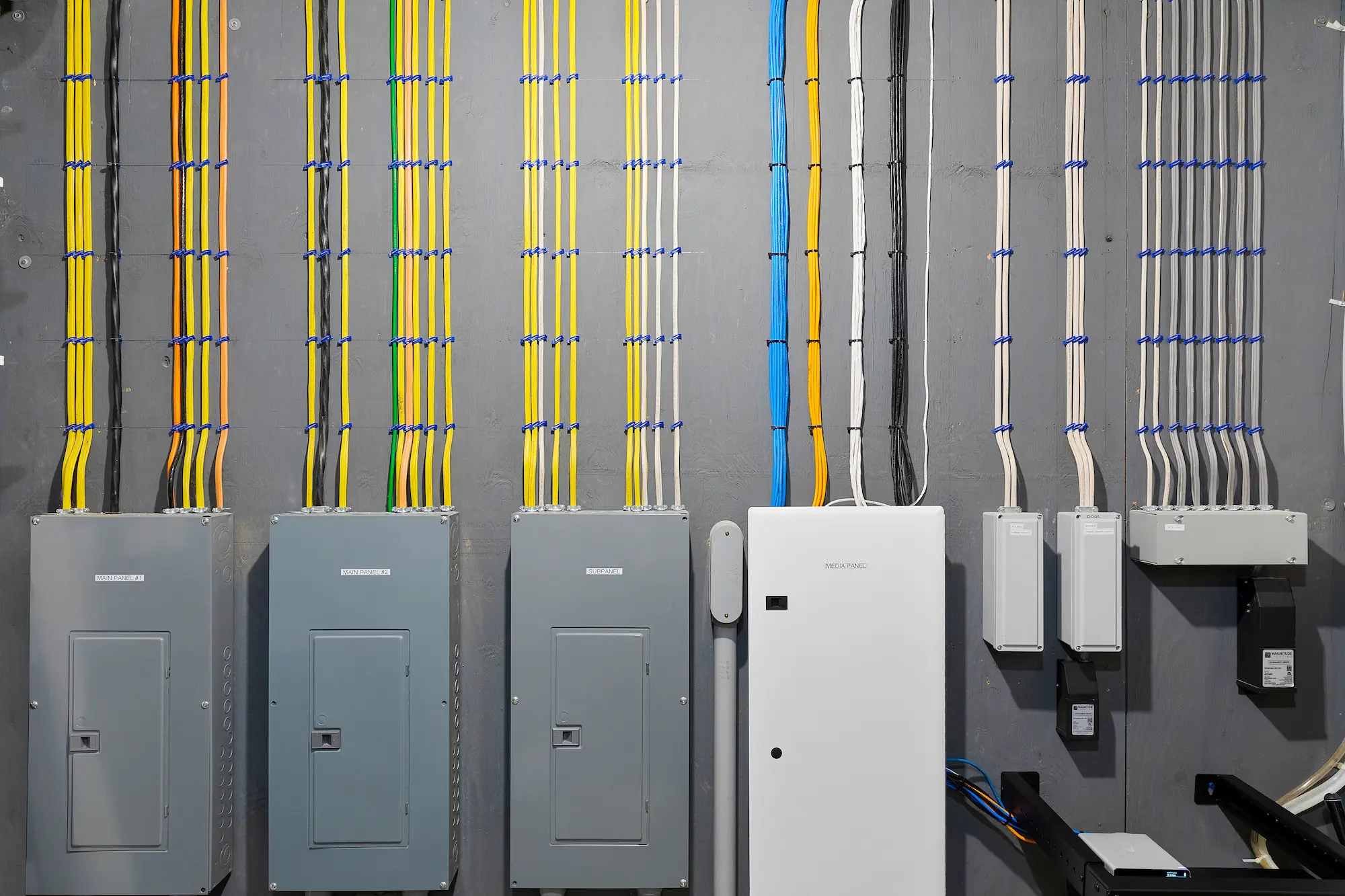
6. Upgradeable technology infrastructure. Structured wiring, accessible conduits, generous equipment spaces, and strategically placed network connections make future upgrades easier. The best investment may be the ability to replace technology without opening finished walls.
7. An integrated home operating system. Lighting, climate, security, shading, and entertainment can work together through platforms such as Control4 or Crestron. Prioritize interoperability, professional support, and manual controls over elaborate automation that becomes difficult to maintain.
8. Adaptive lighting. Programmable lighting scenes can respond to daylight, occupancy, and activity. Tunable-white fixtures also allow homeowners to adjust color temperature throughout the day, supporting different preferences, uses, and the body’s natural rhythms.
9. Smart electrical management. Intelligent panels and energy-management systems can monitor electricity consumption, prioritize circuits, and coordinate major loads. The Department of Energy's research into grid-interactive efficient buildings envisions homes that dynamically manage electricity demand, integrating technologies such as solar generation, battery storage, and EV charging.
10. Privacy-first digital security. Connected homes introduce cybersecurity responsibilities. Specify equipment with supported security updates, strong authentication, and appropriate network separation. The National Institute of Standards and Technology has established cybersecurity recommendations specifically for consumer connected devices, including products used in smart homes.
Future-proofing also means planning for circumstances beyond the homeowner's control.
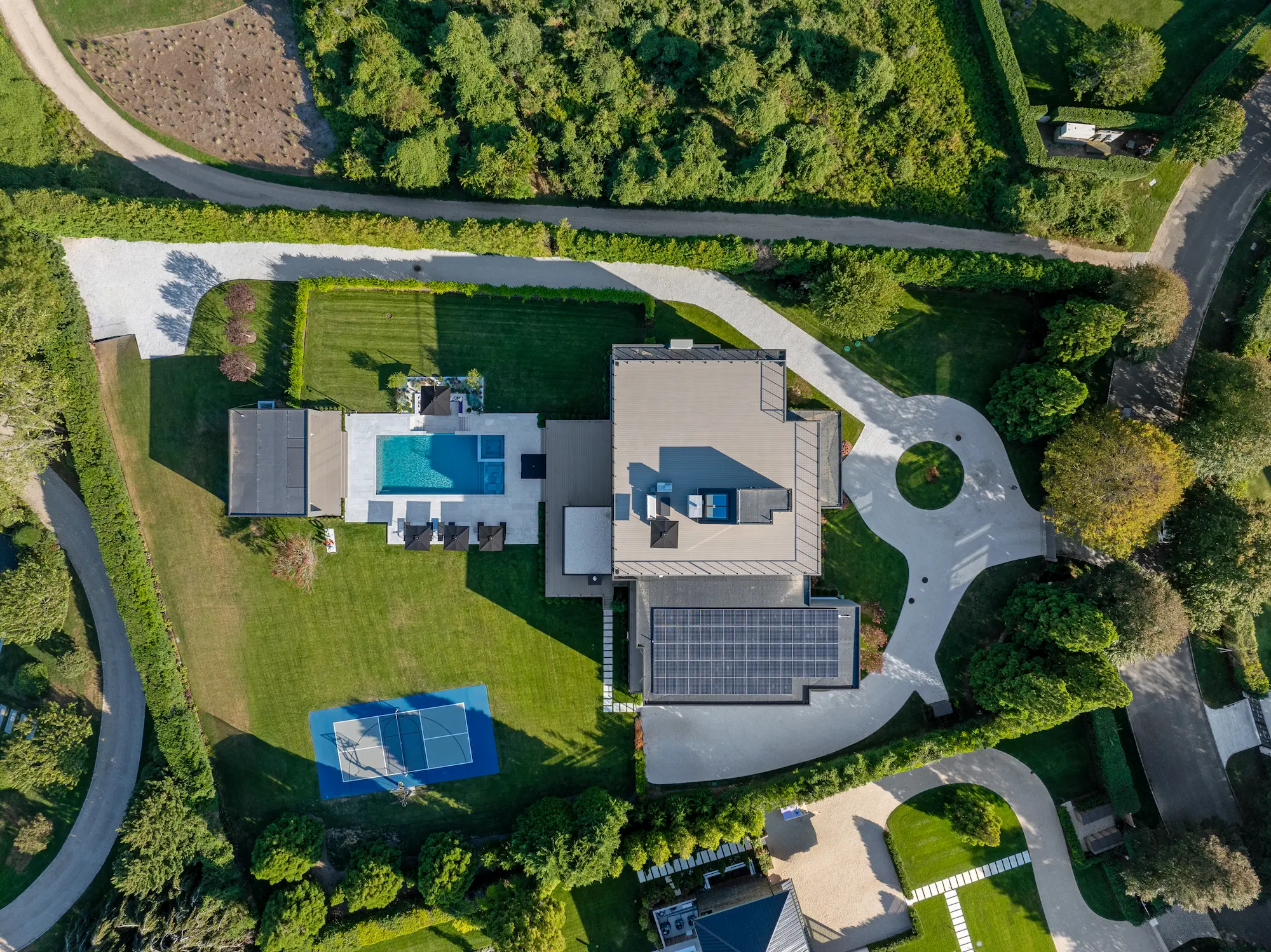
11. Solar-ready infrastructure. Even when solar panels aren't part of the initial construction, suitable roof space, electrical capacity, and planned conduit routes can simplify future installation.
12. Battery storage and backup power. Properly designed battery systems can maintain selected essential circuits during outages. Paired with solar generation and intelligent load management, they can also help homeowners manage electricity demand. Backup duration depends on battery capacity and actual consumption.
13. EV-ready garages. Electric-vehicle charging deserves consideration during electrical design, particularly in homes with multiple vehicles. Plan for charging capacity, future expansion, and coordinated load management rather than simply adding an outlet.
14. Automatic leak detection and shutoff. A small plumbing failure can cause significant damage before anyone notices. Whole-home flow monitors and strategically placed moisture sensors can identify unusual water use, with some systems automatically shutting off the supply. The EPA's WaterSense program recommends selecting devices according to monitoring needs, installation requirements, and the areas of the home being protected.
15. Site-specific climate protection. Resilience looks different in coastal New York, the Carolina Piedmont, and the Texas Hill Country. Drainage, wind exposure, wildfire risk, flood elevation, and material durability should inform design from the outset. There is no universal solution, only better-informed decisions.
Perhaps the most important measure of a home's future readiness is how well it continues to serve the people living there.
16. Whole-home air quality management. Americans spend approximately 90% of their time indoors, according to the EPA, where concentrations of certain pollutants can be two to five times higher than outdoors. Appropriate ventilation, filtration, humidity control, and low-emission materials deserve the same attention as finishes and furnishings. After all, the air inside a home is one of its most consequential, and least visible, features.
17. Acoustic engineering. A beautifully quiet home begins with thoughtful design. Sound isolation between bedrooms, mechanical spaces, offices, and entertaining areas enhances everyday comfort. Even details as simple as solid-core doors, properly sealed frames, and acoustically rated windows can make a significant difference. Addressing acoustics early in the design process ensures these elements work together to create a quieter, more comfortable home.
18. Flexible, multipurpose rooms. Today's home office may become tomorrow's guest suite, studio, or multigenerational living space. Thoughtful room proportions, adaptable storage, and accessible electrical and plumbing connections preserve options.
19. Universal design, beautifully integrated. A home should accommodate its occupants through every stage of life. Yet many aren't equipped to do so. According to AARP's 2024 Home and Community Preferences Survey, 75% of adults 50 and older want to remain in their current homes as they age, but 43% anticipate needing modifications to make that possible. Among those expecting modifications, 72% anticipate bathroom upgrades and 71% changes to improve access into and around the home.
Such alterations can be costly and disruptive, particularly when they require structural changes or substantial reconfiguration. Wider circulation paths, step-free entries, curbless showers, and main-level bedroom suites are far easier to incorporate during initial design. Thoughtfully executed, these features can enhance everyday comfort and architectural elegance while preserving independence for decades.
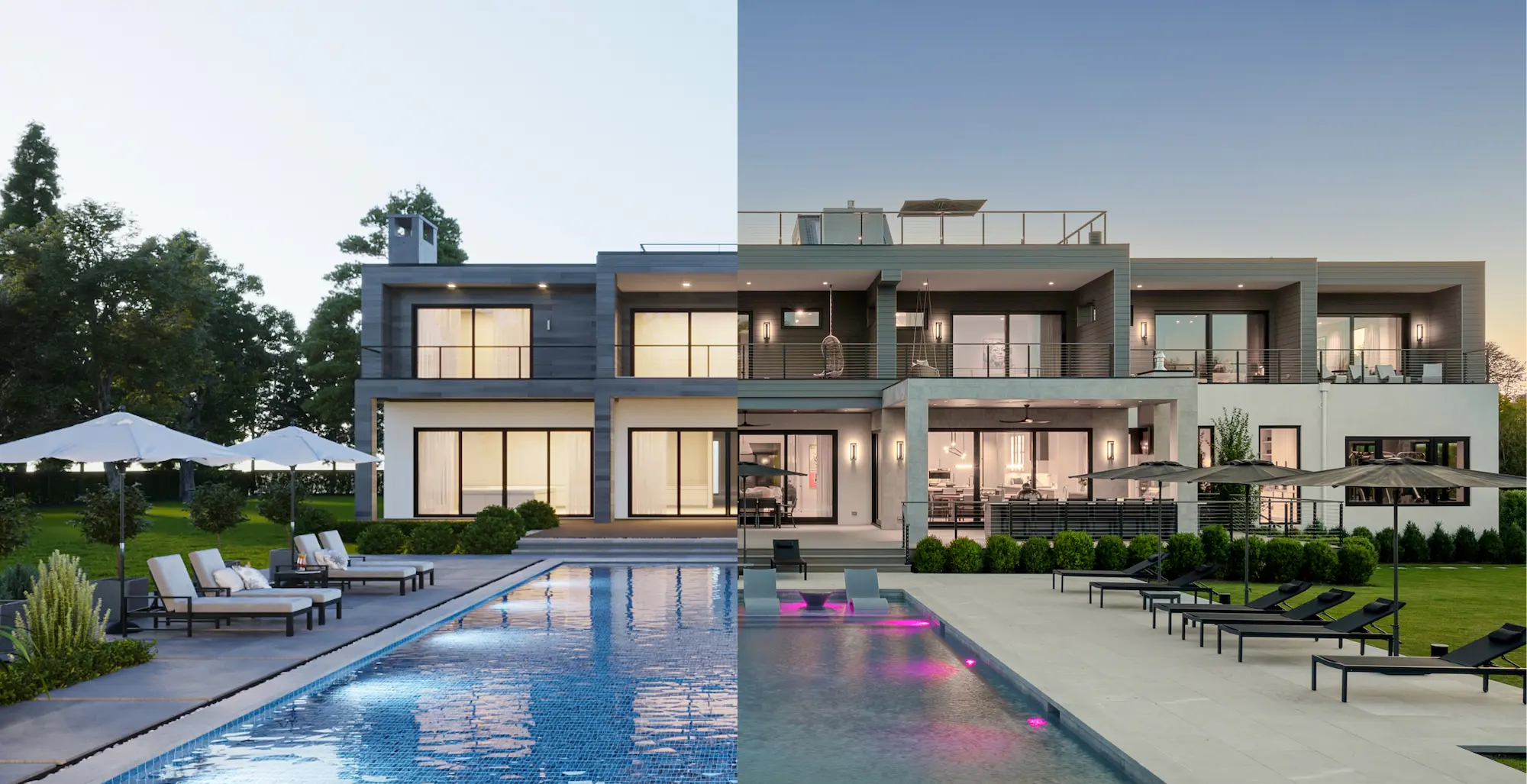
20. A digital record of the home. Detailed as-built drawings, equipment specifications, maintenance histories, and digital building models can make future repairs and renovations more informed. At BuildLabs, coordinated digital modeling is part of the design and construction process, helping translate design intent into precisely planned components. Preserving accurate records extends that value into the home's operating life.
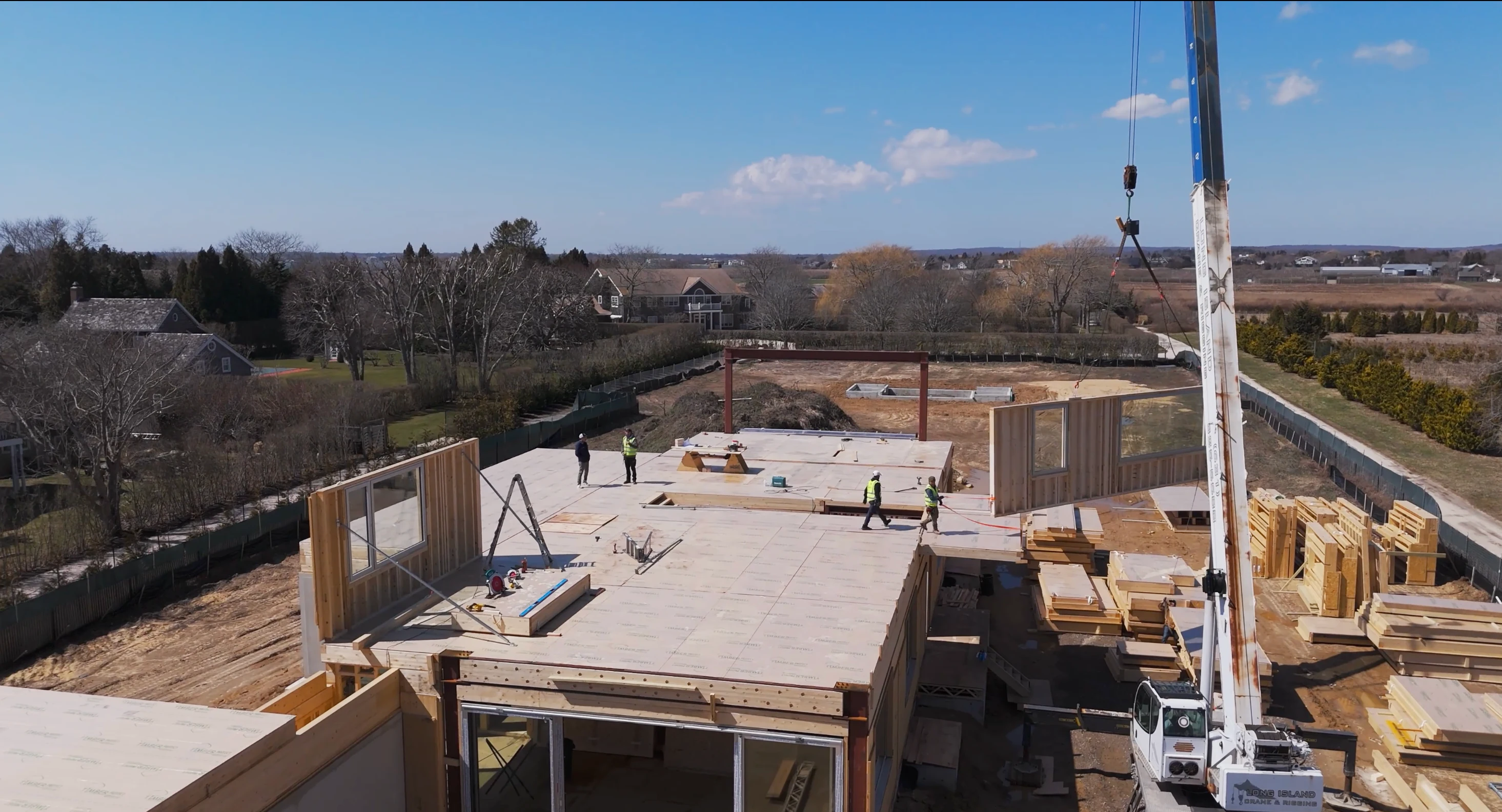
A future-ready home is ultimately more than the sum of its features.
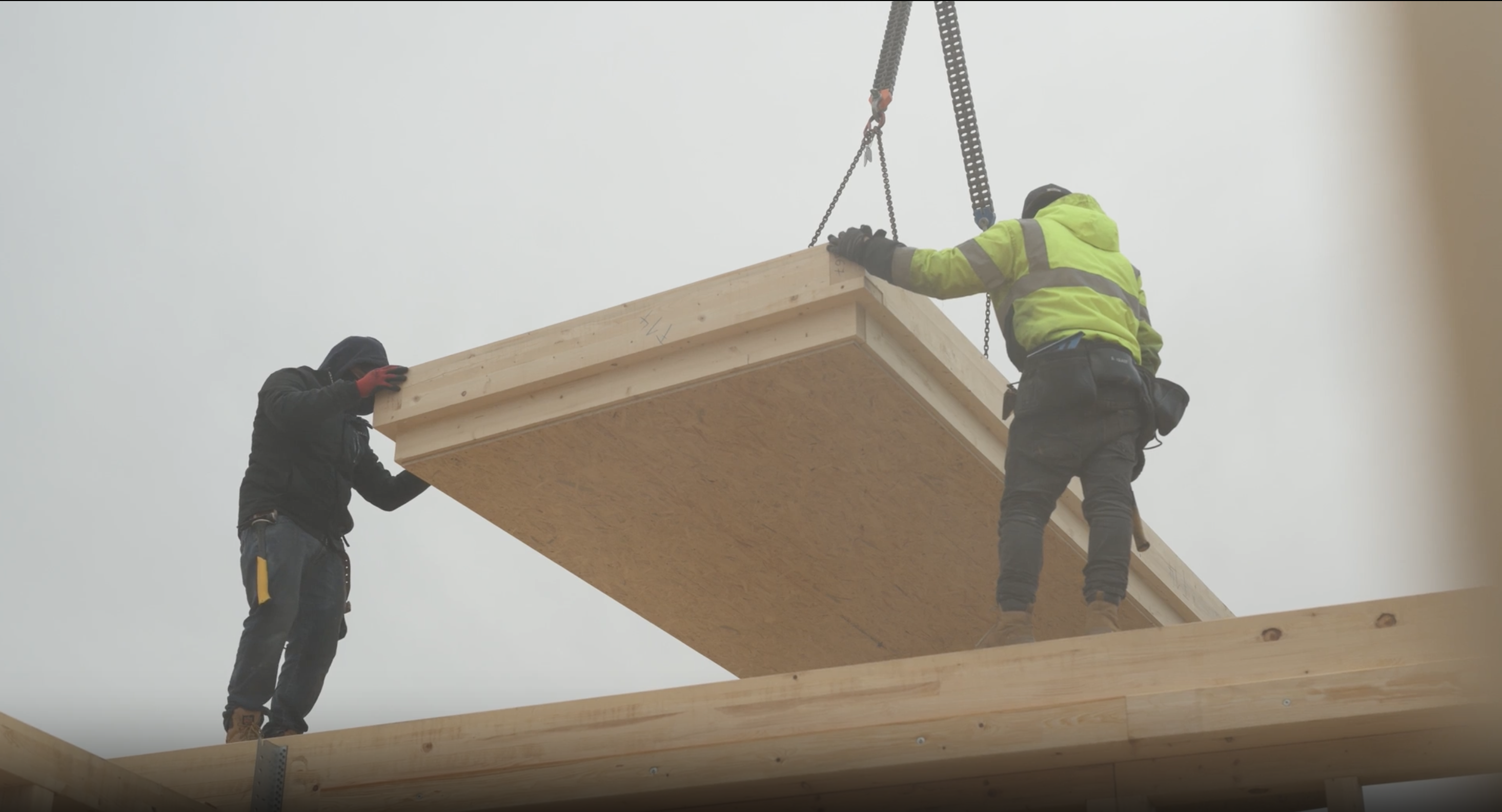
Consider how dramatically computers have evolved. Today's powerful processors depend on sophisticated supporting architecture to deliver their full capabilities. Homes are increasingly complex systems, too, yet much of the construction industry still relies on methods developed generations ago.
Advanced glazing, high-performance mechanical systems, and sophisticated home technology depend on the precision of the structure and infrastructure supporting them. A poorly sealed window can compromise energy performance. Inaccurate construction tolerances can affect the fit and function of components. Systems planned independently can create costly conflicts during installation.
As expectations for our homes advance, the methods used to build them must advance, too.
Digital modeling allows teams to identify and resolve conflicts before construction begins. Manufacturing components in a controlled environment supports consistent tolerances, repeatable processes, and systematic quality checks. Together, these methods help deliver the performance, reliability, and adaptability expected of a future-ready home.
At BuildLabs, we put these principles into practice through an integrated design and construction process. Architects, engineers, designers, and manufacturing specialists work together from the outset, coordinating every detail before construction begins.
Our precision manufacturing process incorporates rigorous quality controls, informed by Six Sigma principles, to reduce variation and defects. Skilled on-site teams then assemble the components with the same attention to detail.
For homeowners, the benefits are tangible: fewer costly surprises, more consistent quality, greater confidence in the finished product, and a home engineered to support evolving needs and technologies.
Future-proofing is an investment in how a home will serve you over time. Exceptional design, thoughtful technology, and advanced construction methods work together to create a home that performs beautifully today and is prepared for whatever comes next.
A home designed for what's next begins with a conversation. Let's talk about yours.