

Welcome to The BuildLabs Architects Consortium, where Punit Chugh and the BuildLabs team brings together a select group of architects who share a belief that design and construction are strongest when aligned from the start. By collaborating early—from concept through completion—the consortium replaces the traditional fragmented model. Here, BuildLabs partners with architects of various disciplines from across the country to create an integrated, team-driven approach. The result is refined design and better outcomes for stakeholders, for clients, and for the planet. The best way to learn about the Consortium is to meet its founding partners, starting with Zachary and Alicia Clanahan of ZTC Architecture (ZTCA).

Architect and builder collaboration team from the BuildLabs Architects Consortium
In residential construction, there’s a familiar tension: the architect designs, the builder builds, and somewhere in between, misalignment can cost time, money, and trust.
But it doesn’t have to be that way.
When architects and builders develop a working relationship rooted in mutual respect, technical fluency, and shared expectations, the client experience changes dramatically. Instead of friction, there is flow. Instead of finger-pointing, there is coordination. Instead of costly revisions, there is foresight.
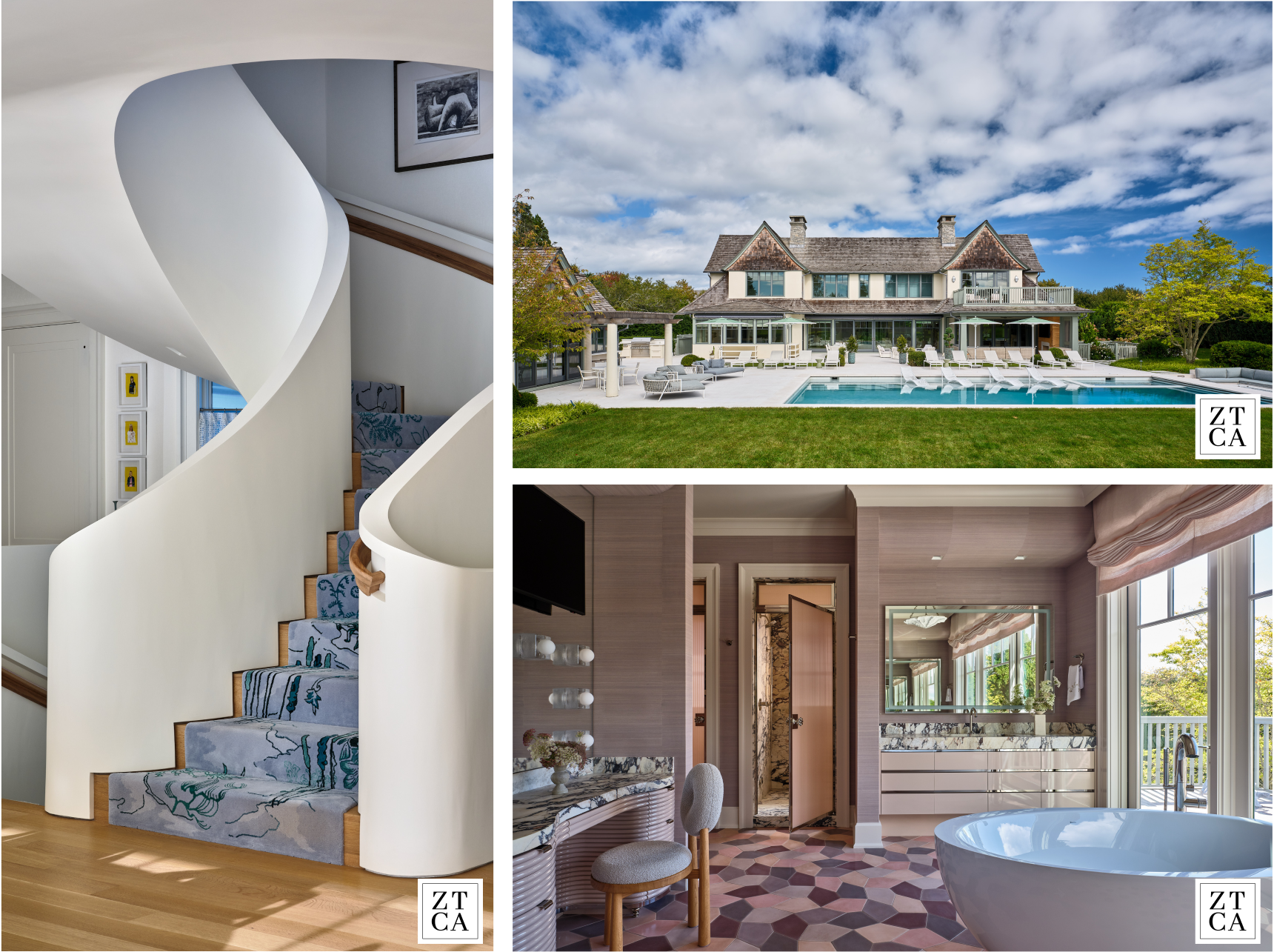
Our collaboration with ZTCA reflects what this more integrated model looks like in practice. With decades of experience in the Hamptons, NY, Zach has a deep understanding of traditional shingle-style homes and contemporary designs that complement the unique environment of Eastern Long Island.
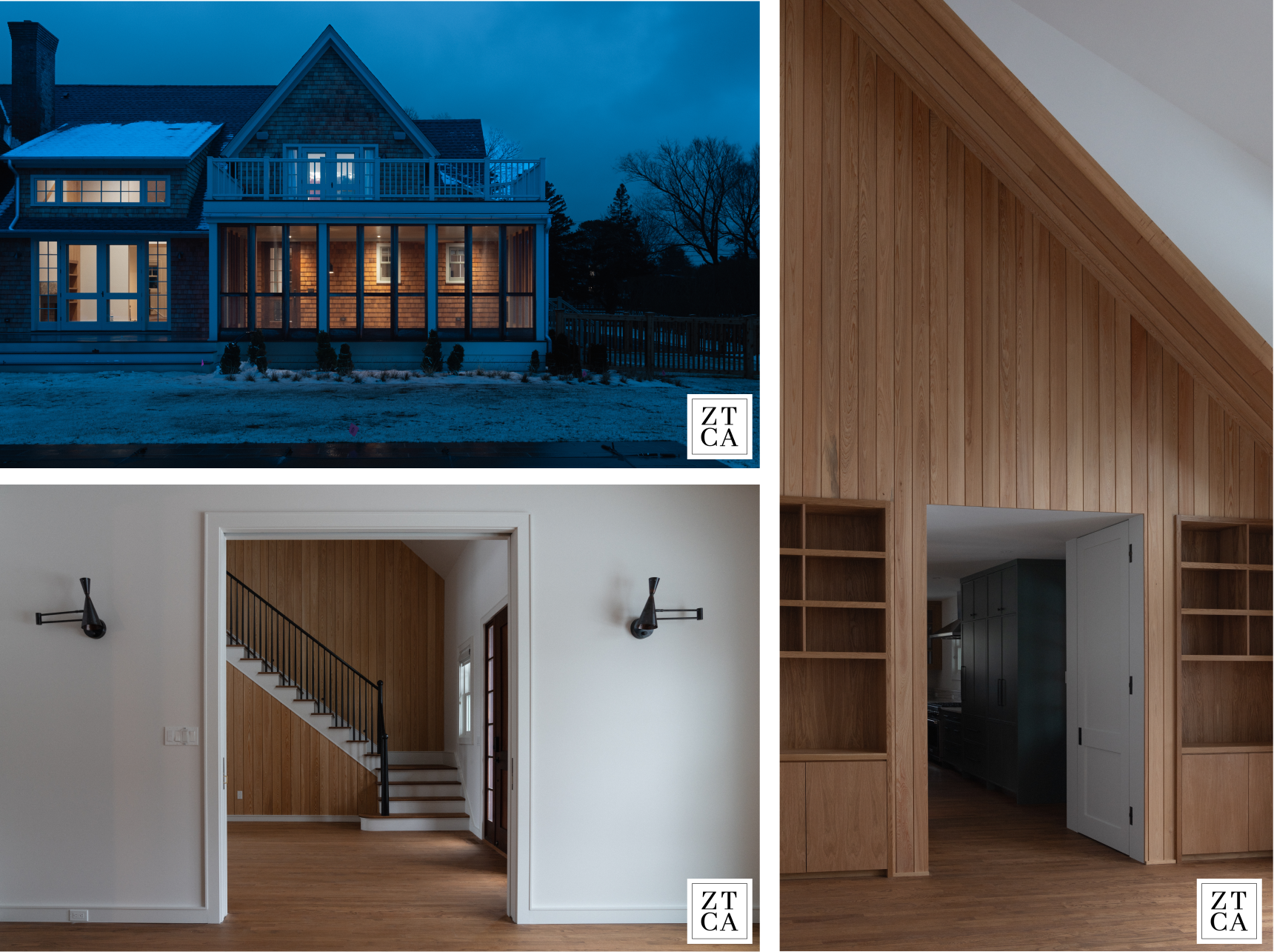
The greatest inefficiencies in construction often happen at the beginning of a working relationship — when teams are still learning each other’s communication styles, expectations, and technical preferences.
As Alicia explains: “Having a pre-existing relationship smooths out communication in general. It streamlines the project overall.”
Each builder has different strengths. Some require deeper detailing in specific areas; others rely on field expertise in certain assemblies. When a design team understands how a builder thinks — and what level of documentation truly supports execution — the drawings become more targeted, more efficient, and more constructible.
“Knowing what Punit’s expectations are from a drawing standpoint helps our process move faster,” says Zach. “We can focus on detailing where it actually matters.”
Over time, this becomes a kind of shorthand — a shared language between designer and builder.
Additional Read:
3D-Printed Home Models: Enhance the Customer Experience and Avoid Costly Mistakes
This isn’t about merging firms. In fact, the ZTCA team doesn’t believe in the buzz around the Design+Build terminology. “In New York State, maintaining a separation between architect and contractor protects the homeowner by preserving checks and balances,” says Alicia.
She adds that collaboration does not require consolidation.
Instead, it looks like:
Zach, who has roots in construction, approaches design with buildability in mind:
“When I think of buildability, I think of constructability. We focus on producing drawings that are not just good design, but fully constructible — with details thought through before breaking ground.”
This approach reduces change orders, protects budgets, and minimizes mid-construction surprises.
And because both the ZTCA and BuildLabs teams value technology — working in 3D models, BIM, and Revit — coordination is seamless. Models translate clearly. Design intent is preserved. Conflicts are caught earlier.
Additional Read:
How BuildLabs' Pre-Construction Process Helps Build Better, Superior-Quality Homes
Yes — and the biggest wins happen upfront, says the husband and wife duo.
Time savings in early coordination translate directly to cost savings. Fewer revisions. Fewer misunderstandings. Fewer delays waiting for clarification.
But beyond financial savings, there is something just as important: experience.
As Alicia puts it: “Why wouldn’t you want the builder and designer working together as a team instead of trying to show each other up?”
Construction projects often last over a year. When the architect and builder are aligned, the process becomes collaborative instead of adversarial. The client isn’t caught in the middle.
The industry has historically framed designers and contractors as opposing forces. But when mutual respect replaces ego, the homeowner benefits from both accountability and unity.
This collaborative approach works best for clients who:
Experienced homeowners move more decisively. Clear direction reduces unnecessary design iterations. Defined program requirements lead to more focused, efficient drawings.
Clarity early on is the greatest cost-control tool available.
If you’d like to learn more about how working with the BuildLabs Architects’ Consortium can optimize your custom home project, contact us today.
.png)