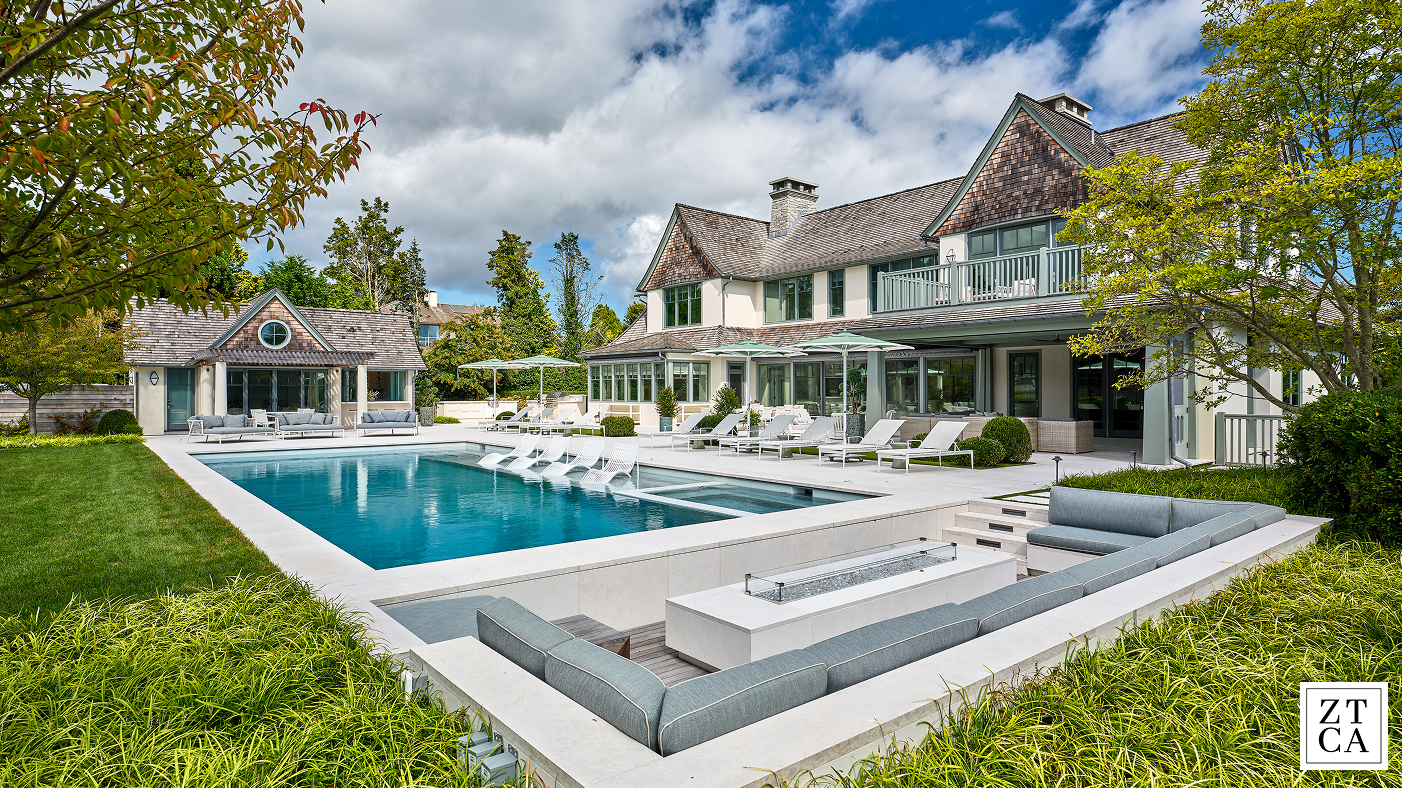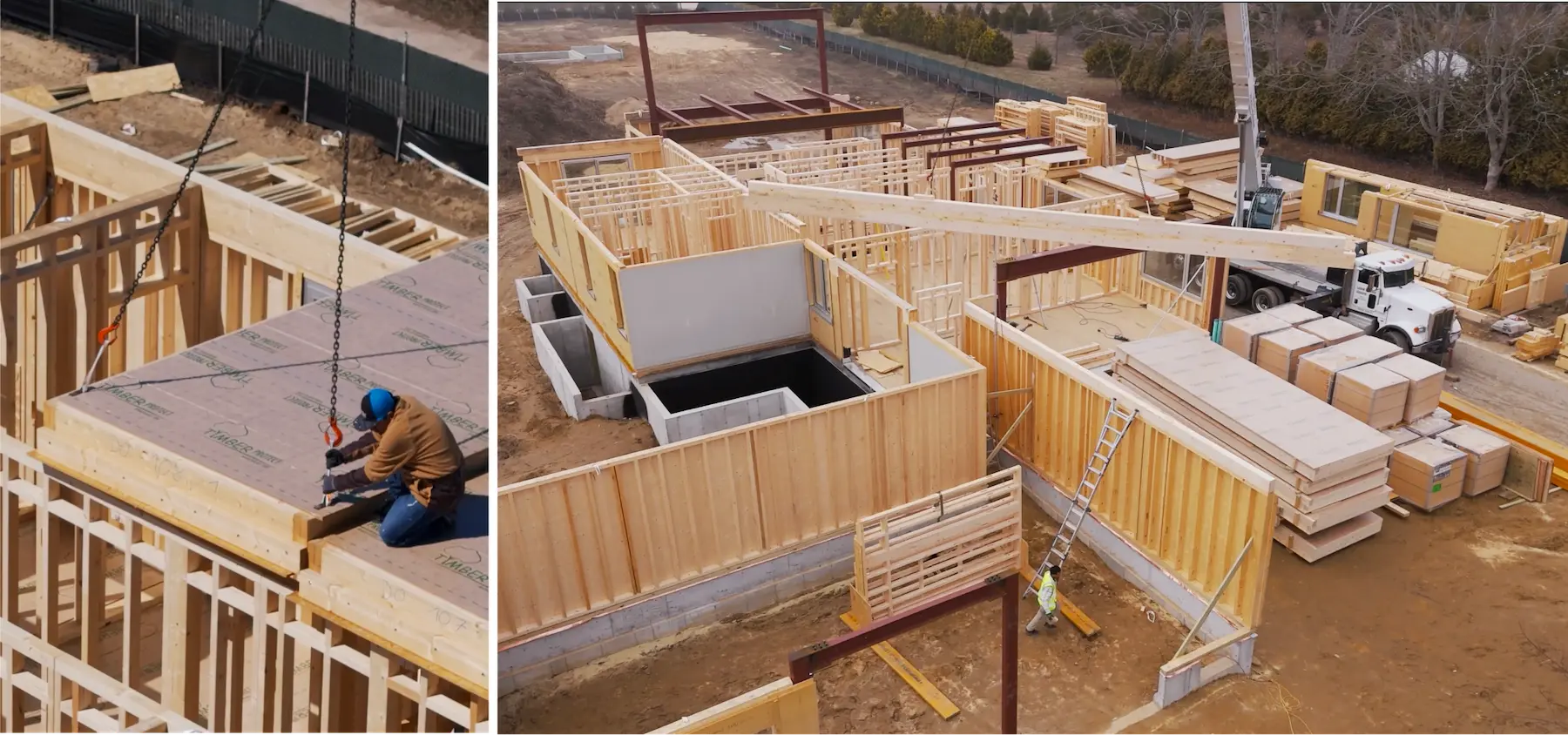

Welcome to The BuildLabs Architects Consortium. Here we bring together a select group of architects who share a belief that design and construction are strongest when aligned from the start. In our second conversation with ZTCA, its principal architect, Zachary Clanahan, discusses Buildability as a Design Philosophy.

Zachary Clanahan, principal architect at ZTC Architects, describes his balanced approach to designing for buildability: “In the beginning, you have to explore freely and not think about constructability too soon. But as the design develops, you bring it back to reality — making sure it can actually be built as intended.”
Additional Read:
How BuildLabs' Pre-Construction Process Helps Build Better, Superior-Quality Homes
Although he earned his bachelor’s in architecture from NYIT, he also grew up with a deep background in construction. As a result, this Southampton-based architect ensures details are drawn with execution in mind. Materials are selected with awareness of local context, review boards, and neighborhood character — particularly important on the East End, where architectural sensitivity matters.
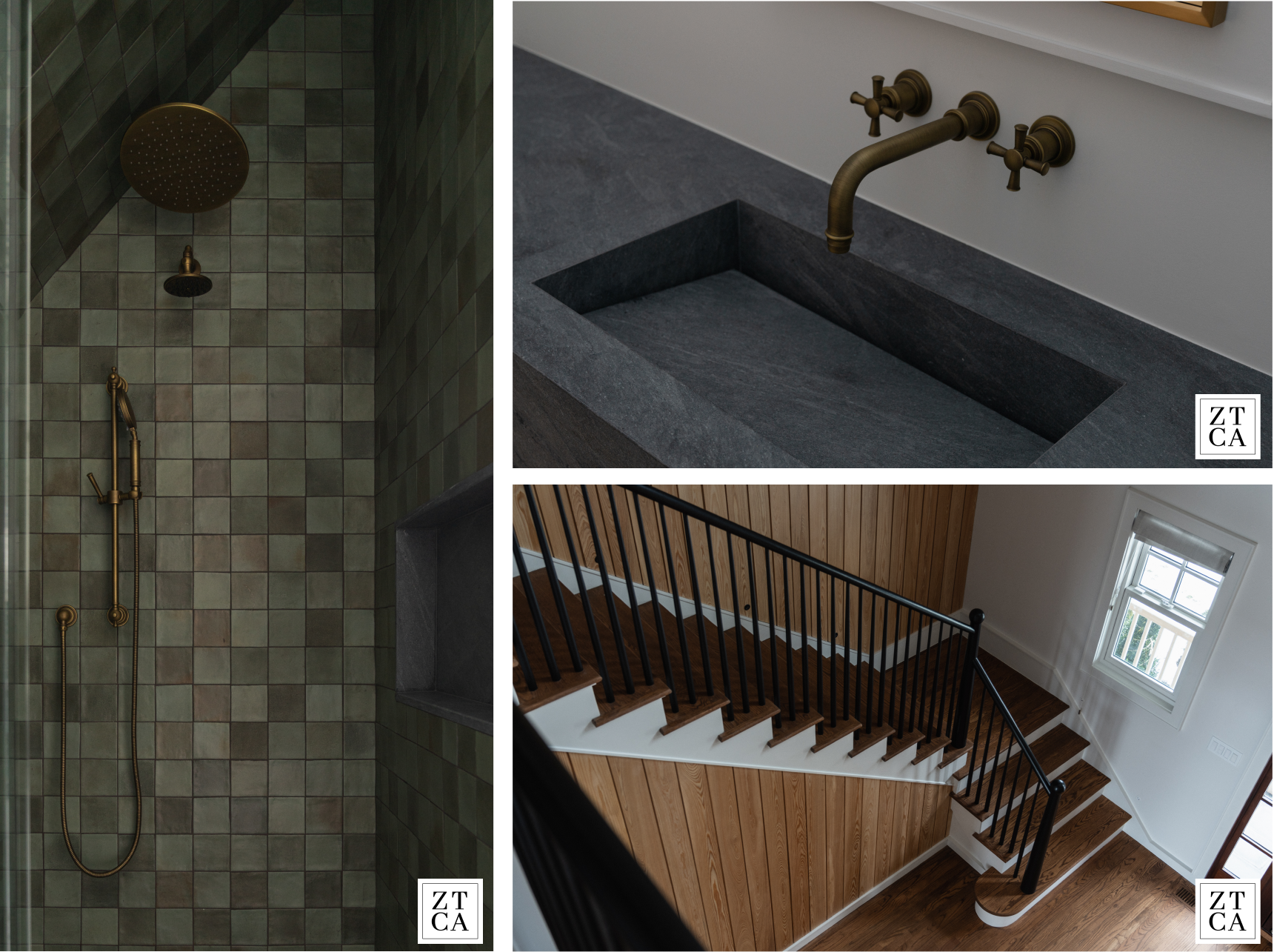
The goal is not cookie-cutter design. It’s contextual design — architecture that feels intentional, appropriate, and enduring.
And when architect and builder both stay involved during construction administration — meeting on site, resolving issues together — mistakes are minimized and quality improves.
While many markets promote “design-build” as a single-entity model, New York’s structure protects homeowners by maintaining a balance between architect and contractor.
This balance ensures:
Rather than merging into one entity, this partnership model preserves autonomy while embracing collaboration — arguably the best of both worlds. This is why
As Alicia Clanahan, business manager at ZTCA, noted, combining design and construction into one entity can risk reducing transparency. A collaborative consortium preserves checks and balances while still delivering cohesion.
Additional Read:
Your Complete Guide to Building a Custom Home in the Hamptons, NY
This partnership works because both teams share core drivers:
When design vision meets technical execution — without ego — the result is architecture that not only looks good on paper, but performs beautifully in reality.

The future of residential construction is not about dissolving boundaries between architect and builder. It’s about strengthening the relationship between them.
When communication is fluid, expectations are clear, and collaboration is intentional, projects move faster, cost less in corrections, and feel better for everyone involved.
The client wins not because roles disappear — but because they align.
And alignment changes everything, especially when it comes to the costs, timeline, and beauty of each build.
If you’d like to learn more about how working with the BuildLabs Architects Consortium can optimize your custom home project, contact us today.
Missed Part 1? Read it here.
.png)