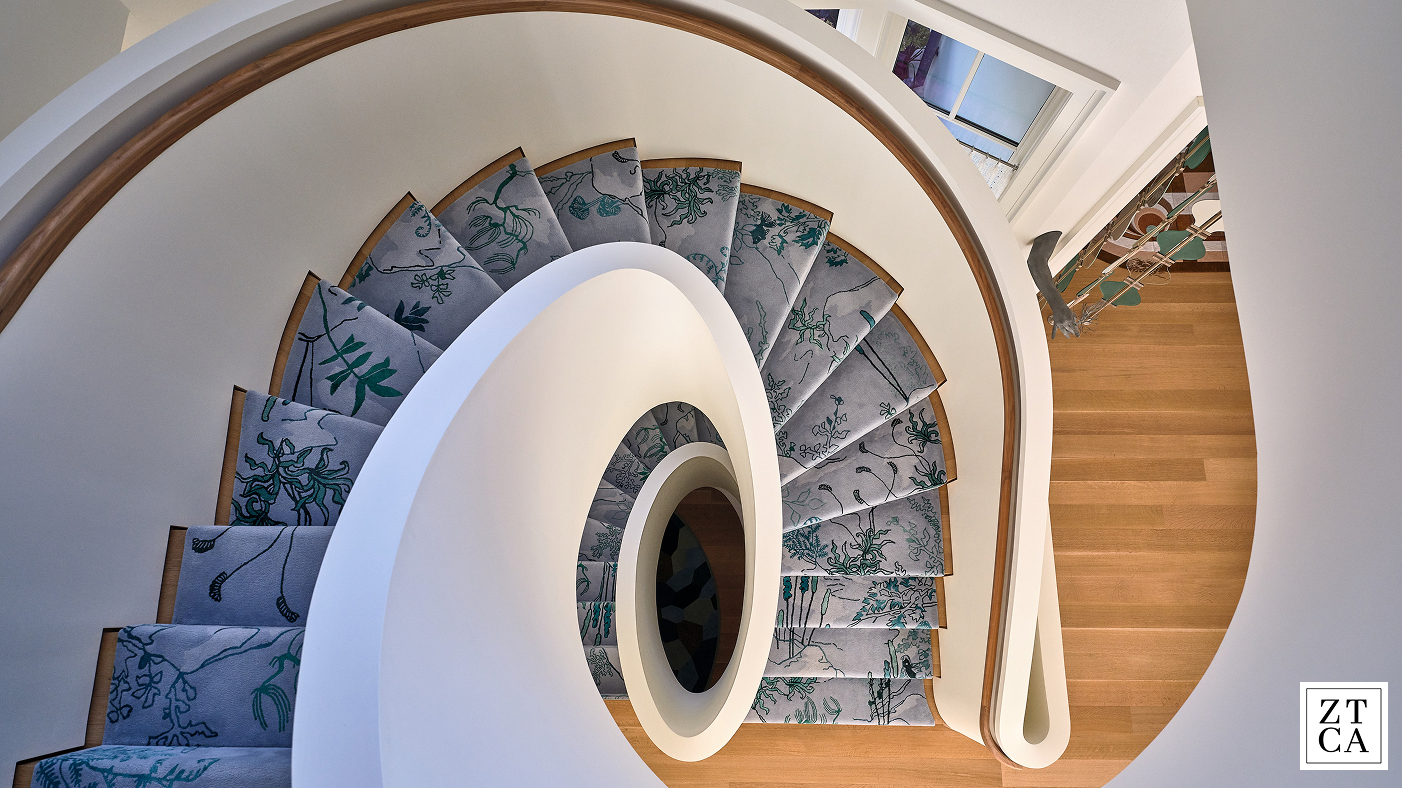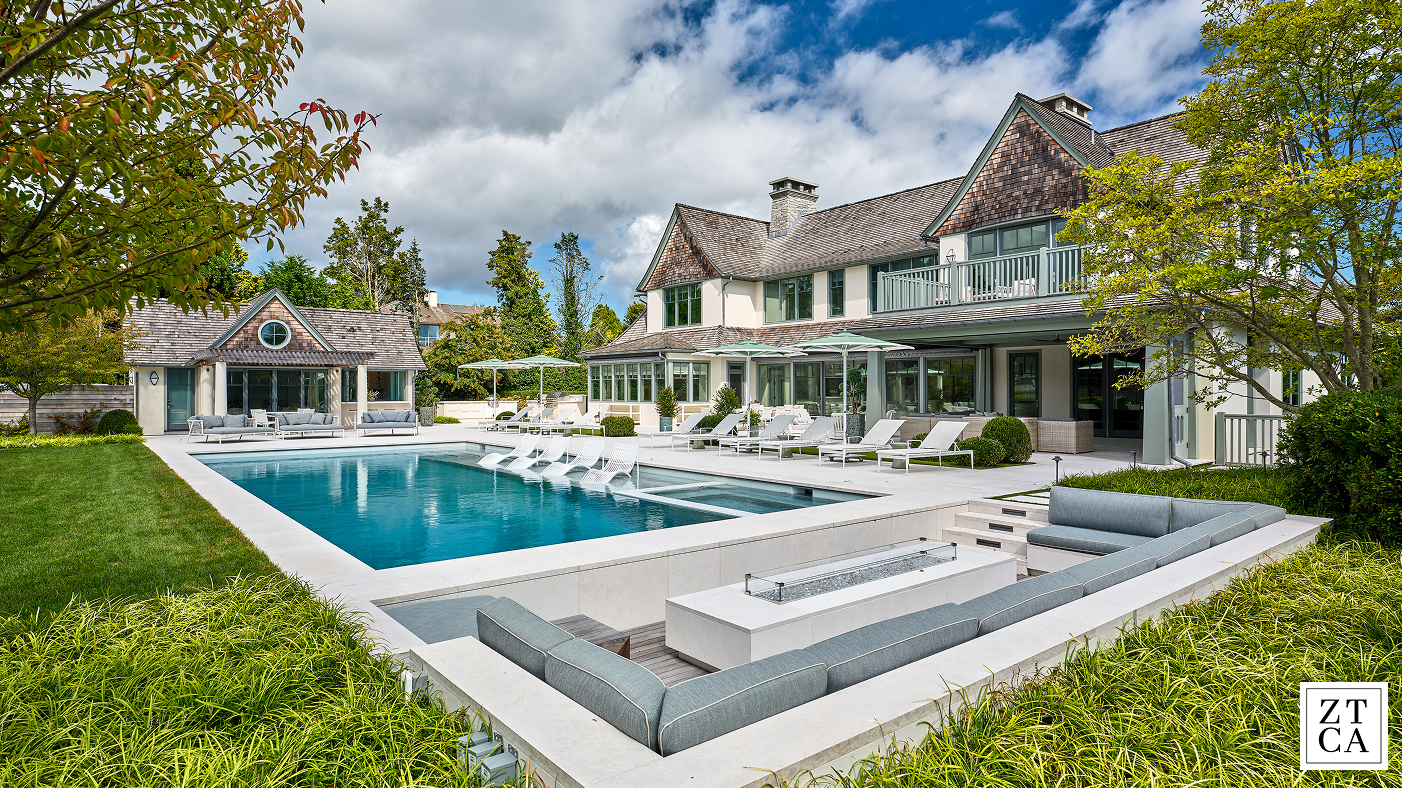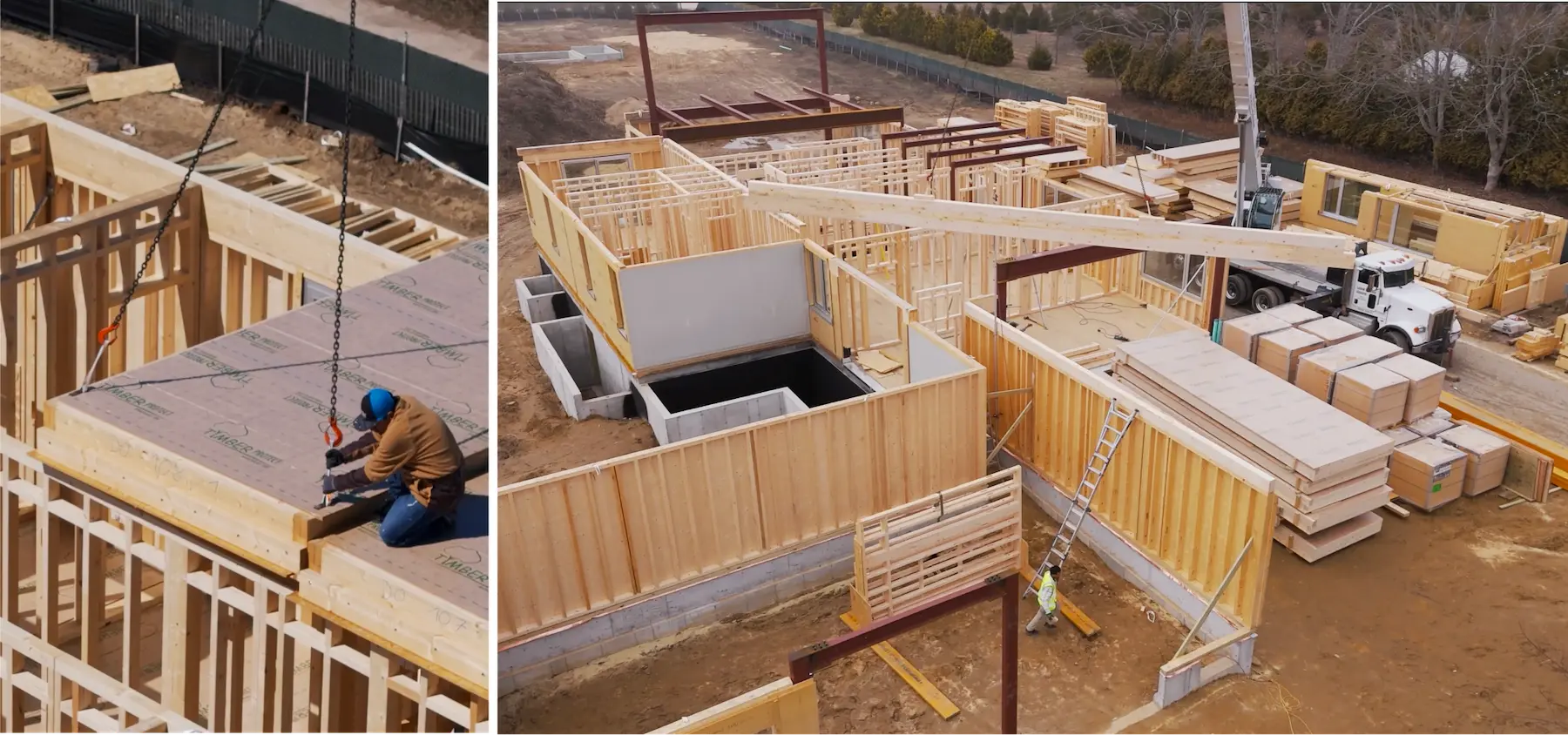

Welcome to the BuildLabs Design Consortium. The BuildLabs Design Consortium brings together a select group of architects who believe design and construction are strongest when aligned from the very beginning. In Part Two of Jefferson Ellinger’s Q&A, he explains why design–build collaboration is essential to innovation—and how the BuildLabs Design Consortium model creates better outcomes for clients.
Design–Build as a Tool for Innovation
Jefferson Ellinger has always maintained strong relationships with contractors. But for him, traditional collaboration isn’t enough—especially when design pushes boundaries.
“When you’re exploring new geometries or construction systems, uncertainty is unavoidable,” he says. “And uncertainty almost always shows up as schedule delays or cost escalation.”
This is where a true design–build partnership becomes transformative.
By engaging builders earlier—before decisions are locked in—projects become more predictable. Costs are better understood. Feasibility is tested sooner. Surprises are reduced.
“Ultimately,” Ellinger notes, “clients gain peace of mind.”

Why the Client Wins
Residential architecture, Ellinger believes, is uniquely personal. Every decision feels high-stakes, because it is. Unlike commercial projects—where trusted catalogs, standardized systems, and long-standing vendor relationships are common—custom homes often lack that infrastructure.
The result can be stress, misalignment, and second-guessing.
The consortium model changes that dynamic.
Working with experienced partners who understand tolerances, factory production, and supply chains allows more of the work to happen in controlled environments. Fit and finish improve. Outcomes become more reliable. Expectations are clearer.
“For clients, feasibility is everything,” Ellinger explains. “When the team understands how something will actually be built, confidence replaces anxiety.”
Buildability Is the Goal
For Ellinger, buildability is not a constraint on design—it is the objective.
“I’m interested in pushing boundaries,” he says, “but only if those ideas can actually be executed.”
That’s why working with teams that bring factory-level precision and construction expertise is so compelling. Innovation becomes less risky. Exploration gains structure. Ambitious ideas can be realized with confidence rather than compromise.
This philosophy aligns directly with the BuildLabs Consortium’s emphasis on early coordination, digital modeling, and off-site fabrication.
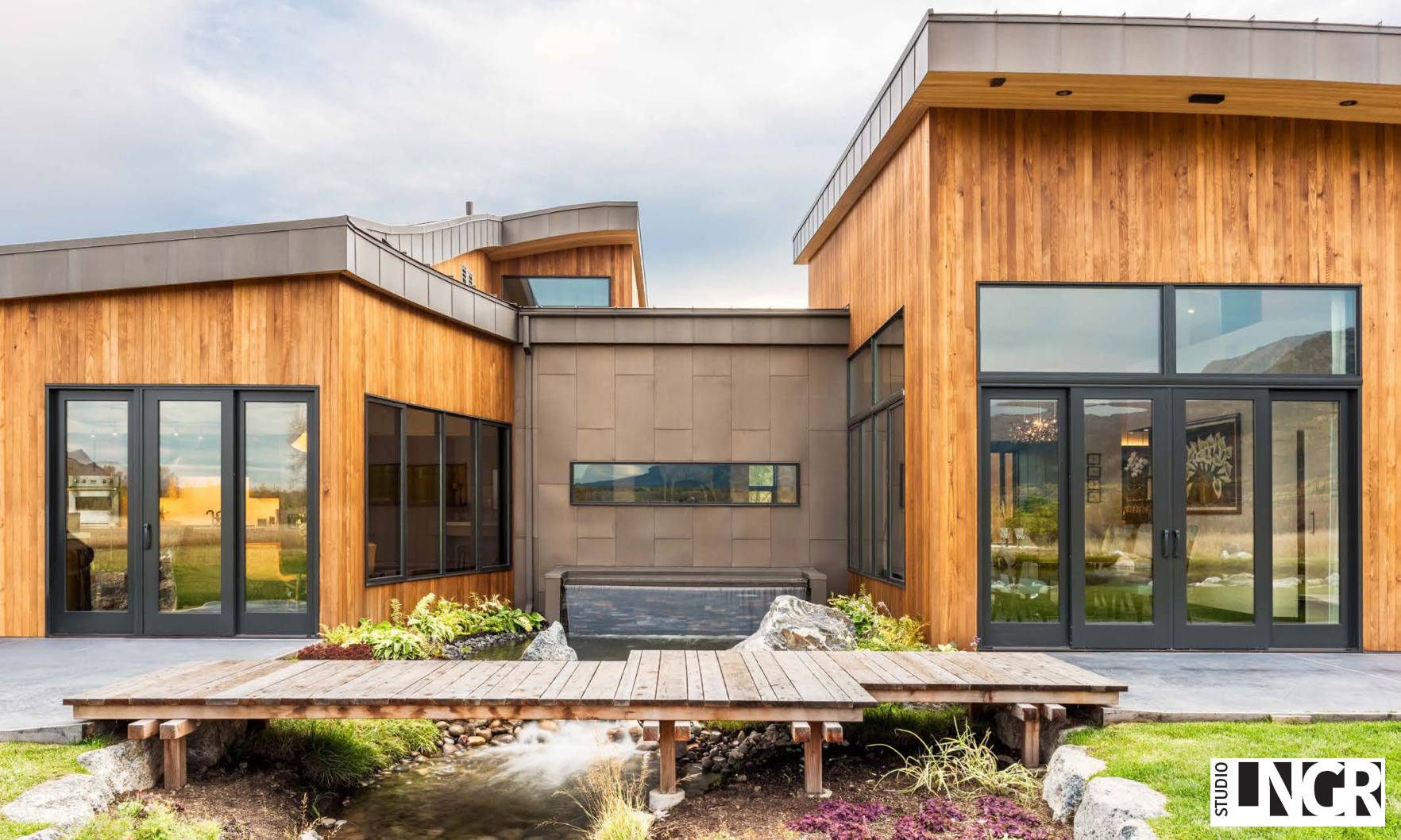
A Shared View on Responsibility and Sustainability
Ellinger’s thinking on sustainability extends beyond energy performance or carbon metrics. One of the most overlooked aspects, he believes, is waste.
Traditional on-site construction generates enormous material waste due to loose tolerances and limited tooling. Custom manufacturing and factory-based processes dramatically reduce that waste—an environmental benefit that rarely gets enough attention.
Longevity matters just as much.
“Good design is inherently more sustainable,” Ellinger says. “People take care of buildings they value.”
That’s why he emphasizes better materials, better detailing, and standards that go beyond code minimums.
“Codes define acceptable minimums,” he tells his students. “Our responsibility is to do better than that.”
Architecture as an Assemblage
Outside of architecture, Ellinger draws inspiration from contemporary philosophy—particularly assemblage theory, a material philosophy that emphasizes interconnected systems.
In his view, architecture is a material practice in the broadest sense. Materials include not just wood or steel, but workflows, regulations, tolerances, supply chains, and data.
“The whole is always greater than the sum of its parts,” he says. “But only if you understand how those parts relate from the very beginning.”
It’s a worldview that naturally supports the consortium model—where architects, builders, and manufacturers work as one integrated system rather than isolated silos.
Looking Forward
Ellinger’s work increasingly sits at the intersection of architecture, data science, and design analytics. He has taught across disciplines and directed programs that bridge computer science and architecture, long before AI became a mainstream conversation.
“Machine learning and data-driven design have been part of architectural thinking for years,” he notes. “The next decade will require architects to understand both creative and analytical perspectives.”
For Jefferson Ellinger, joining the BuildLabs Design Consortium isn’t about visibility or promotion. It’s about alignment—of values, expertise, and responsibility. When that alignment exists, clients benefit most. And architecture works the way it should.
.png)